Don Roberts Obituary
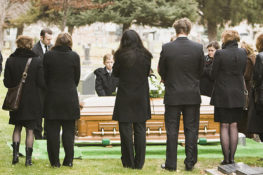
Don Roberts lost a long battle with heart and lung problems on Dec. 21, 2008. He was a deeply religious man with a creative mind, a huge heart and a bottomless thirst for knowledge. The last chapter of the epic novel which was Don's life began in the summer of 2008, when declining health forced him to give up his retirement job as a courier for Suburban Life Publications. He loved the job and especially the people he met there. Don liked to say that he'd calmed down and accepted his situation, but those close to him knew that he never really stopped fighting. "I think I've got a handle on this thing," he'd say from his hospital bed, recuperating from one of several breathing episodes in his final months. Born into the poverty of the Great Depression, Don carved out a unique life path. World War II ended shortly after the quiet, introverted boy of 17 enlisted in the Navy. After his discharge, Don met a Tennessee farm girl on the toaster assembly line at the Sunbeam factory in Chicago. He married Martha in 1950. The young couple struggled financially at first, but what Don lacked in confidence and education, he made up in creativity, vision, and sheer force of will. Through the 1960s, silverware in better restaurants and hotels was plated in real silver. Keeping it polished was time-consuming and expensive. Don set out to automate that process. He installed great tumblers filled with tiny stainless steel balls and polishing compounds into his basement in Bellwood. He later mounted his invention in trucks and created a service route. Sales calls consumed his daylight hours, leaving nights for the actual work, parked in the dark alleys behind the best restaurants in Chicago. He later devised an open, vibrating drum, specially calibrated by months of trial and error, which replaced the large tumblers, and improved the process greatly. "Silver Service" grew into a small fleet of trucks, and his family prospered. Never content to sit still for long, Don decided to go global in the mid-1960s. He sold his business, patented his machine and found a manufacturer. His invention was a big hit at the international restaurant show in Chicago that year. Don was on top of the world. But misfortune reared its head. The manufacturer unexpectedly filed for bankruptcy, dismissing their obligations, including all future royalty payments. It was the first of many financial setbacks that counterbalanced the self-taught engineering feats of perhaps the last independent inventor of complex commercial equipment. Don was an Elder in the Presbyterian Church. His faith in God and the free enterprise system sustained him. Undaunted and restless, he moved the family, which by now included his son Mike, from place to place, and kept dreaming. After reading a report documenting unsanitary bacteria levels on silverware in public establishments, especially hospitals, he set about solving another flatware problem. First came the "Bagger," a simple device which dispensed sanitarily sealed knife, fork and spoon combinations into a sealed plastic bag. Two years of engineering came to naught when a large manufacturer launched a similar product. Next came a family of products that washed flatware flawlessly with high pressure sprays, eliminating all dried food residue, and much of the sorting and handling which led to bacterial contamination. This time he made sure that his ideas were protected with patents in several countries, including Japan. Meanwhile, Martha worked full-time to pay the patent attorneys and support the family. Again, years of bath-tub engineering led to a product which amazed everyone who saw it. But Don struggled to find a manufacturer. Engineers from the major restaurant equipment companies shook their heads in amazement, while company executives looked over their glasses, wondering why their multi-million dollar R&D departments hadn't yielded anything nearly as clever. Don believed that the big manufacturers dismissed his flatware washer because it demonstrated the flaws of their dishwashers. Eventually, Don found a couple smaller manufacturers, but engineering problems and the difficulties of competing with the major players proved too great. The flatware washing machine never reached its potential. He followed with both grander and simpler versions of the product, but a lifetime of frustration, coupled with increasing health problems blocked his success. With a pacemaker-defibrillator buried in his chest and classical music on his CD player, he became a courier for Suburban Life. Don never lost his thirst for knowledge, especially concerning current events. He devoured newspapers and magazines, and held strong opinions on the issues of the day. Don loved an engaging conversation around his kitchen table. Local paramedics saved Don's life repeatedly in the last months of his life, much of which was spent in Good Samaritan Hospital, where his doctors kept him going after his body seemed used up. In September, Don enrolled in hospice, which allowed him to live his last months at home, with dignity. He and Martha enjoyed evenings out at local restaurants with friends. He stubbornly refused to relinquish the household shopping, which he loved, up until his last days. Kathi, his hospice nurse, visited the house weekly. She listened to Don, answering his questions, solving problems, and comforting him and Martha as his condition worsened. She became an intimate companion, and was shopping for Martha's Christmas present (from Don) when he passed away. Don loved his two sisters, Pat and Bobbie. Their flowers at his funeral bore a simple but powerful message, "You were always there when we needed you." He would have appreciated the tribute. In the end, he'd argue, what else matters? A man's success? How much money he made? The things he bought, or the trips he took? Don wouldn't think so. Throughout their lives, both Don and Martha were the bedrock of their families. Family, friends and neighbors tell stories about Don jumping in to lend a hand. He was a helper and a healer, who'd want to be remembered for the compassion he brought to everyone he touched. Thanks Dad. -Mike Roberts, December 31, 2008
Published by South DuPage Reporter/Progress on Jan. 5, 2009.